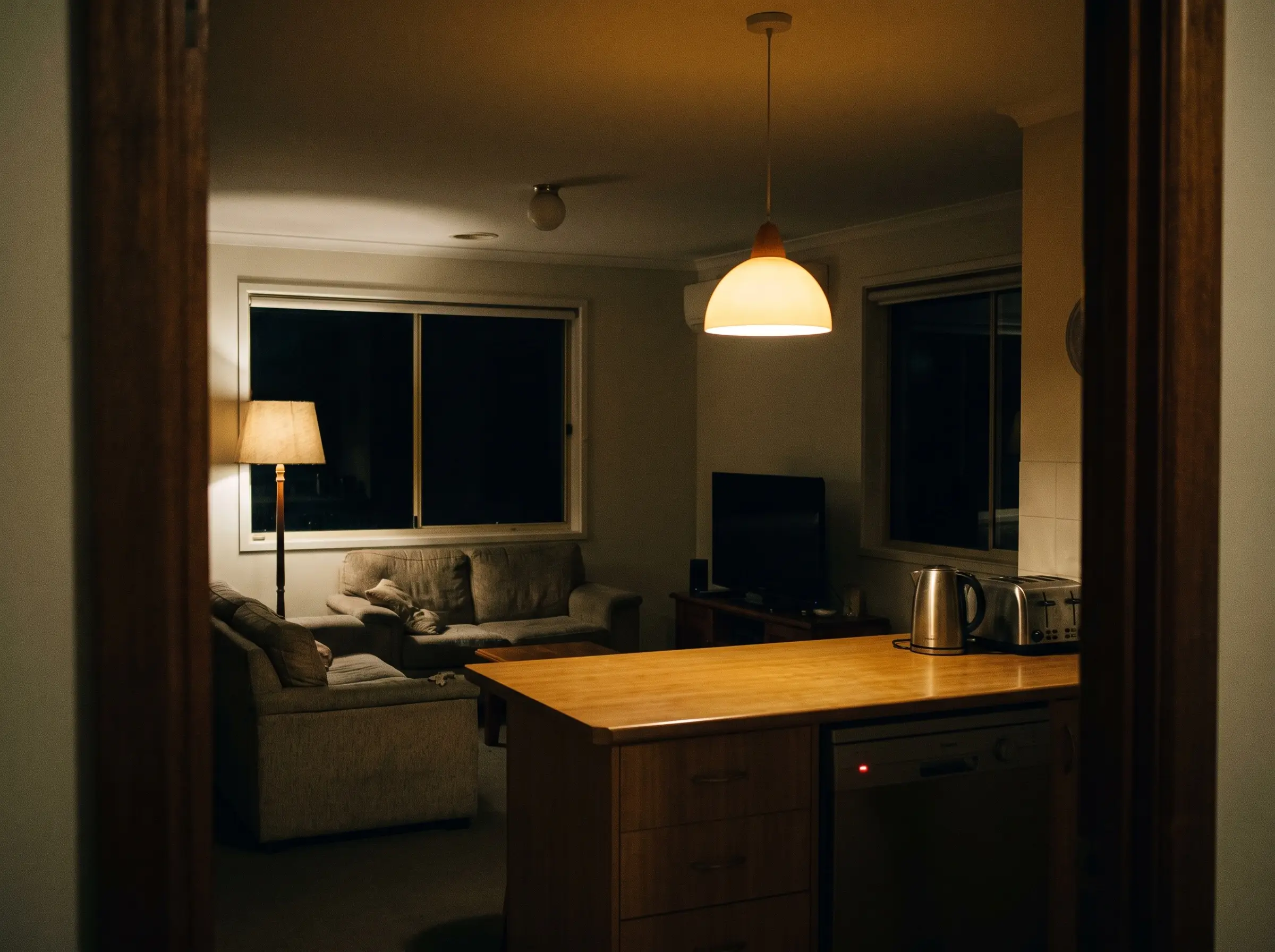
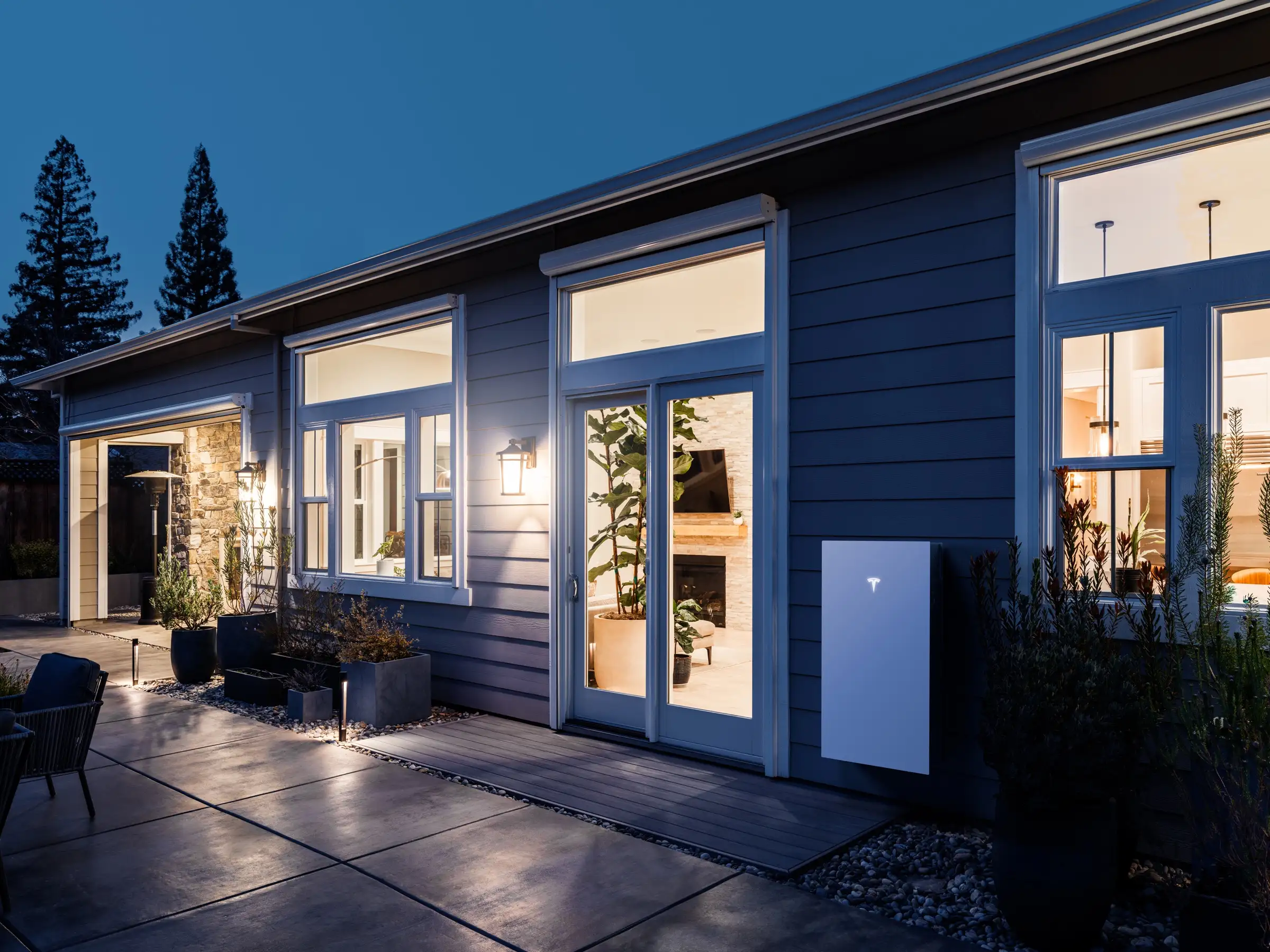
Start with what your house uses after dark. Then go a size up, because in a few years there is usually an electric car, a heat pump, or somebody home in the daytime.
Michael Brown
16 August 2026
Where the power goes in a day
About half of what your house uses goes while the sun is up, and the array covers most of that as it happens. The battery is there for the rest of it, from sunset through to the morning.
SunriseSunset
Surplus: all there is to charge withOvernight load: what the battery covers
Both move month to month, so an annual figure off your bill cannot answer this. The overnight side is what the battery covers, and it grows when the gas heater comes out and a car turns up in the driveway.
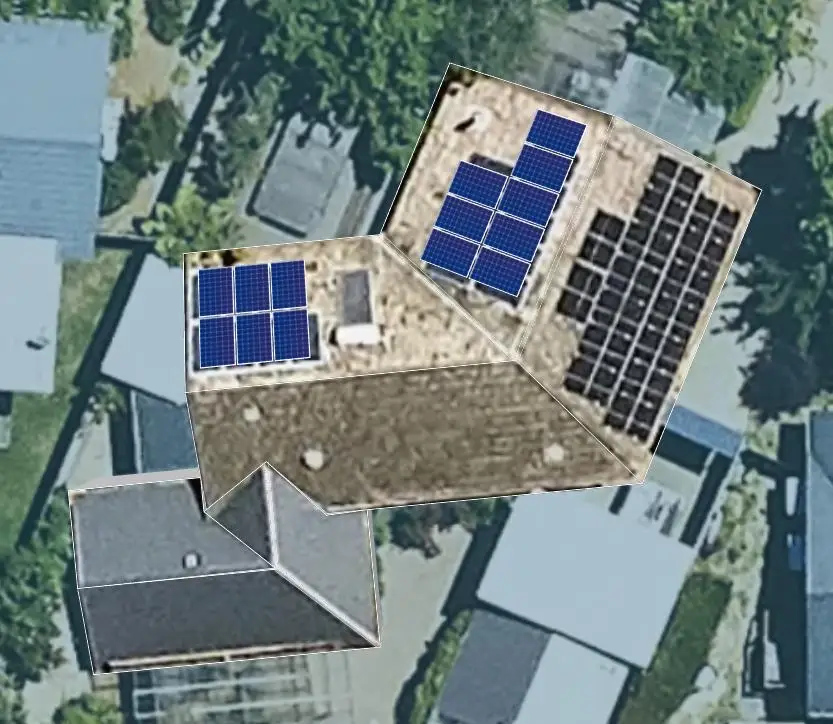
The roof decides how much surplus there is to store, and how much of the year the battery can fill itself off the panels alone.
The same house in June and in October
Same house, same array, same battery, and only the weather changes. June is the month the roof cannot keep up; October is the month it makes more than the battery can hold.
The house, and the assumptions
Array
6.6 kW, north-facing, unshaded
Battery
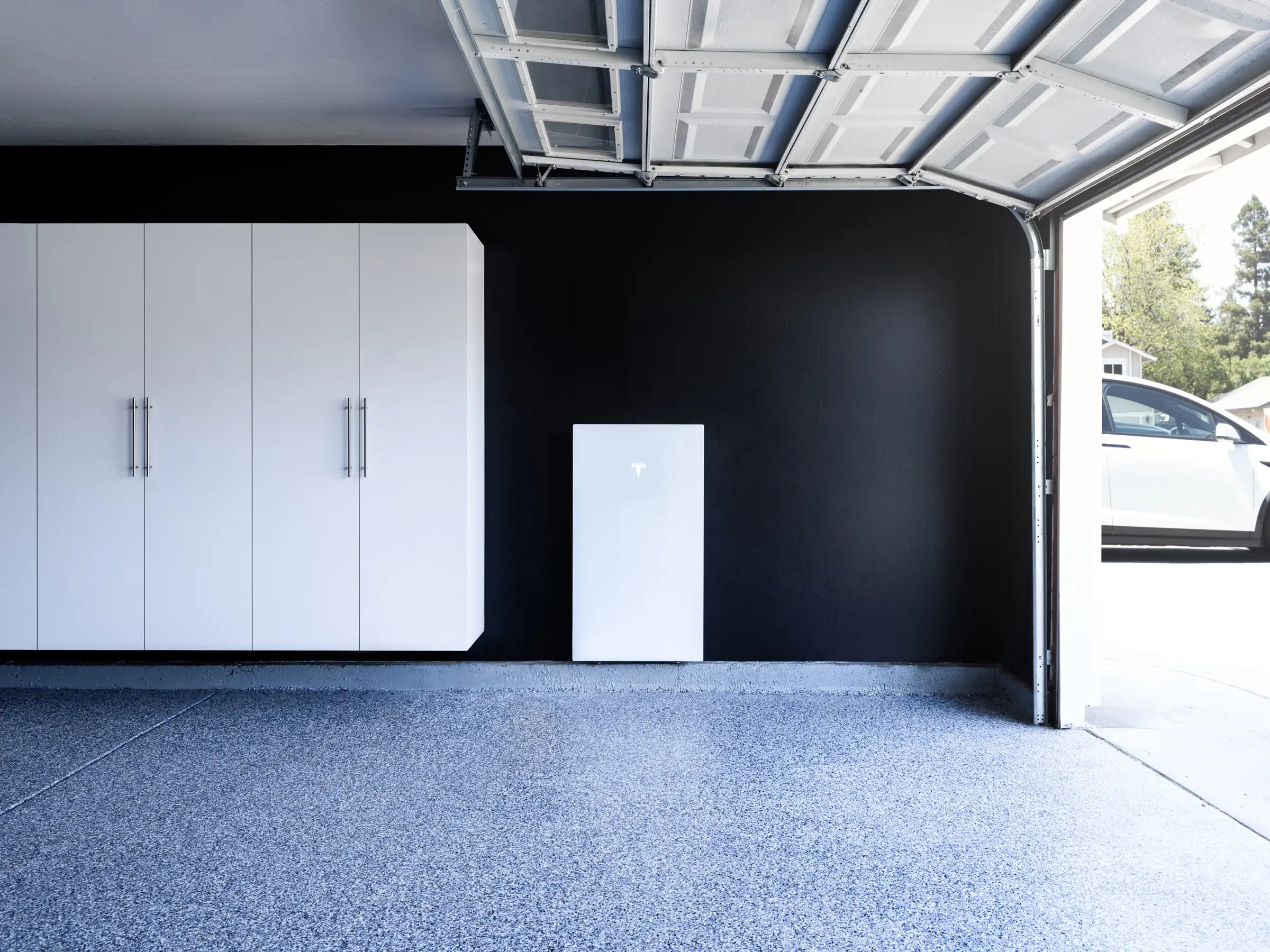
13.5 kWh usable, one Powerwall 3
Household
Four people, ducted reverse-cycle, no electric car
Array output, late June
2.4 kWh per kW installed
Array output, mid-October
4.6 kWh per kW installed
A day in late June
Shortest days of the year, heaviest heating load.
Used across the day
26.0 kWh
Of that, used between sunset and sunrise
11.4 kWh
Used while the array is producing
14.6 kWh
The array produces
15.8 kWh
Left over to charge the battery
1.2 kWh
Overnight load covered
1.2 of 11.4 kWh
A day in mid-October
Longer days, heating off, cooling not yet on.
Used across the day
18.0 kWh
Of that, used between sunset and sunrise
7.6 kWh
Used while the array is producing
10.4 kWh
The array produces
30.4 kWh
Left over to charge the battery
20.0 kWh
Overnight load covered
All 7.6 kWh
In June the roof spares 1.2 kWh, so the battery tops up off the grid at midday and still carries the evening. In October it fills by early afternoon and 5.9 kWh of it goes unused. That 7.6 kWh is today's overnight load, and it only goes up from here.
Why we go a size up
The battery goes on the wall once and stays there, and almost nothing a household does over the next few years makes it use less power after dark.
A battery charges from the grid as well as the roof
A Powerwall does not have to wait for your panels. It charges from the grid too, and the middle of the day is when grid power is cheapest, because every solar system in the street is exporting at once. So a June day like the one above does not strand a big battery.
That changes the balance between panels and storage. A smaller array with a bigger battery will usually do better than a bigger array with a smaller one, and it is worth holding your three quotes up against that.
The federal discount counts capacity in bands
The Cheaper Home Batteries discount counts usable capacity in bands. The first band counts in full and every band above it counts for less, which is why we stop at one size up.
100%
60%
15%
13.5 kWhOne Powerwall 3counts as 13.5
27 kWhTwo of themcounts as 21.8
0142850kWh usable
+61%
more counted capacity for twice the hardware on the wall
Rates as at 29 July 2026
What a bigger battery buys you in a blackout
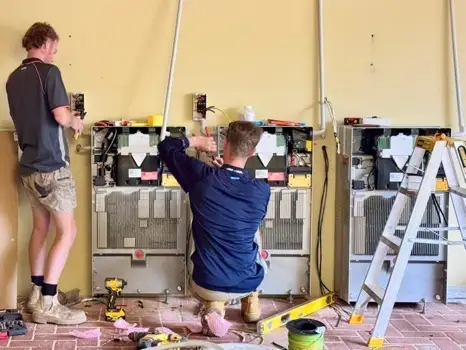
In an outage, what holds the lights on is kilowatts and which circuits your switchboard puts behind the battery. Capacity buys you more hours on those circuits. Covering more of the house is a switchboard job, and we look at that on the visit.
What a car or a heat pump does to your night
Most Canberra houses we quote still burn gas for something. When that comes off, and when a car turns up, the load moves into the evening and the night.
SunriseSunset
SurplusOvernight load
What we collect at the visit
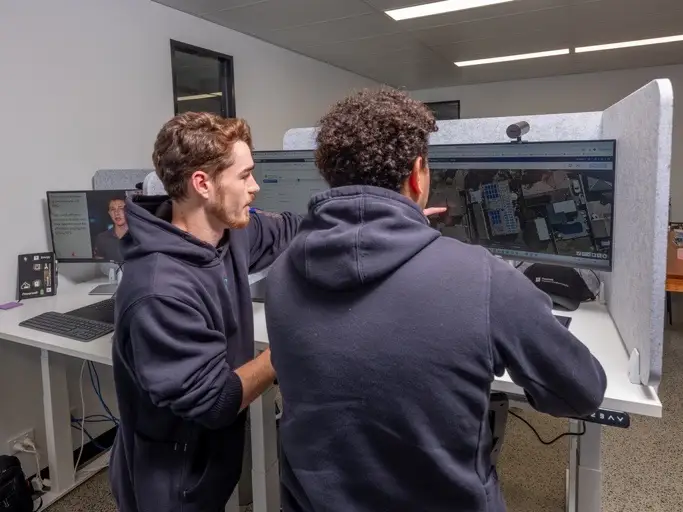
We do not write a quote at your kitchen table. Somebody comes out and takes the four things below, and the quote is written afterwards, once we understand what your house is doing.
1Your data
Twelve months of it, in half-hour steps.
2The switchboard
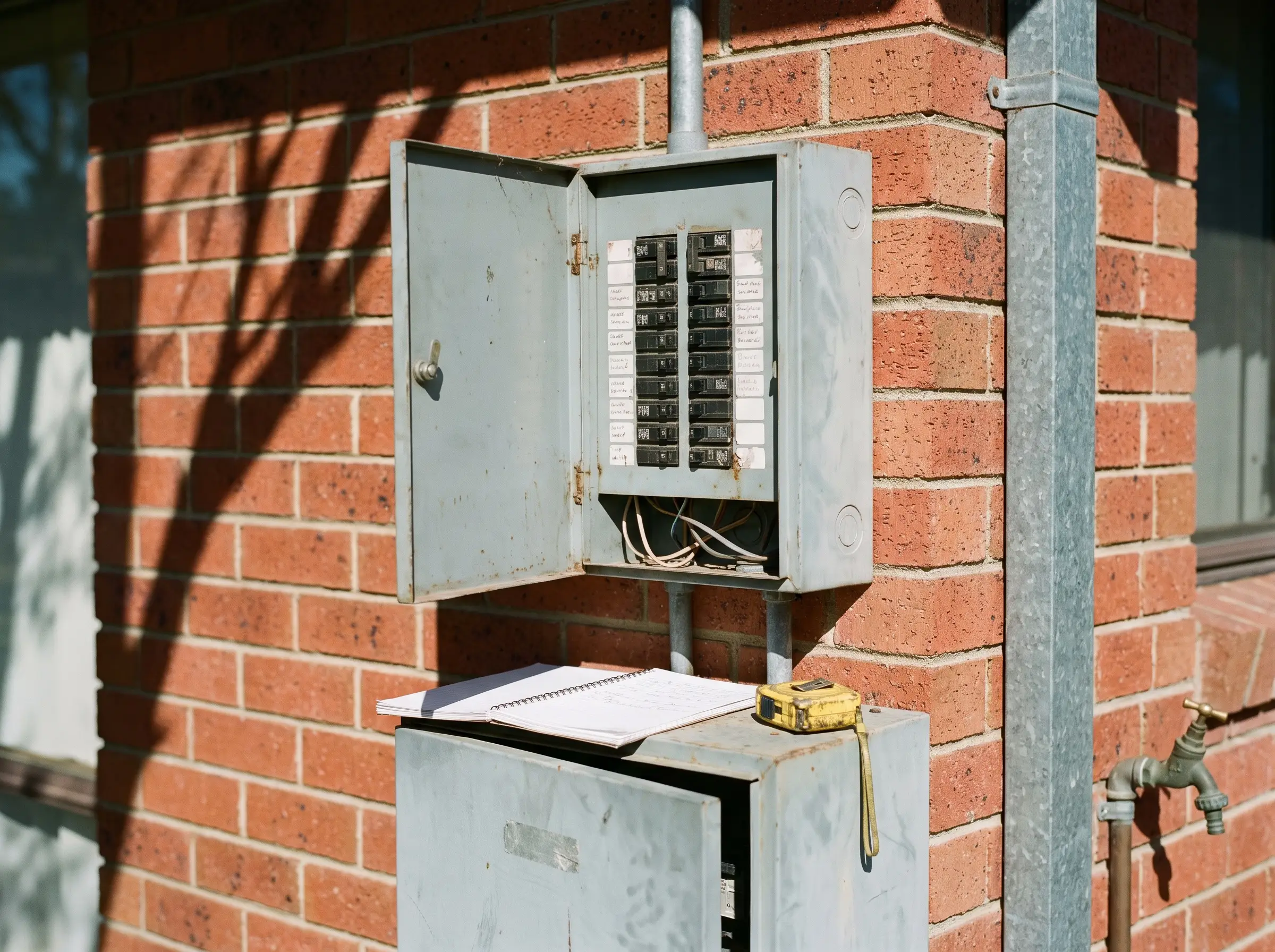
What can go on backup, and how many phases.
3The roof
How much it can spare, and when.
4What you want
Backup, an evening peak, or the car that is coming.