The federal battery discount, and how it reaches you
You don't apply for this one and there's nothing to claim back. Your installer takes it off the price of the battery before you pay. What it comes to depends on how big the battery is and the month it goes in.
Your installer does the paperwork
The Cheaper Home Batteries Program is the federal scheme behind the discount. An accredited installer registers the small-scale technology certificates, or STCs, that your system earns, and takes their value off your invoice. The money is already inside the price you're quoted.
- What it is
- A discount off the price you pay
- What an STC is
- A small-scale technology certificate. Your battery earns a set number of them, and their value is your discount.
- Who takes it off
- Your accredited installer, on the invoice
- When
- On the day, never as a refund afterwards
- Where it applies
- Every state and territory
What it needs from you
- You need solar on the roofNew or existing, either is fine. Your battery needs something to fill it.
- No income test appliesWhat your household earns does not come into it.
- Your battery starts at 5 kWhNominal capacity, the number on the box. The tiers are worked out on usable capacity, which is the smaller figure.
- Your installer has to be accreditedThe Clean Energy Regulator registers the certificates behind the discount, and only an accredited installer can create them.
Clean Energy Regulator, read 29 July 2026
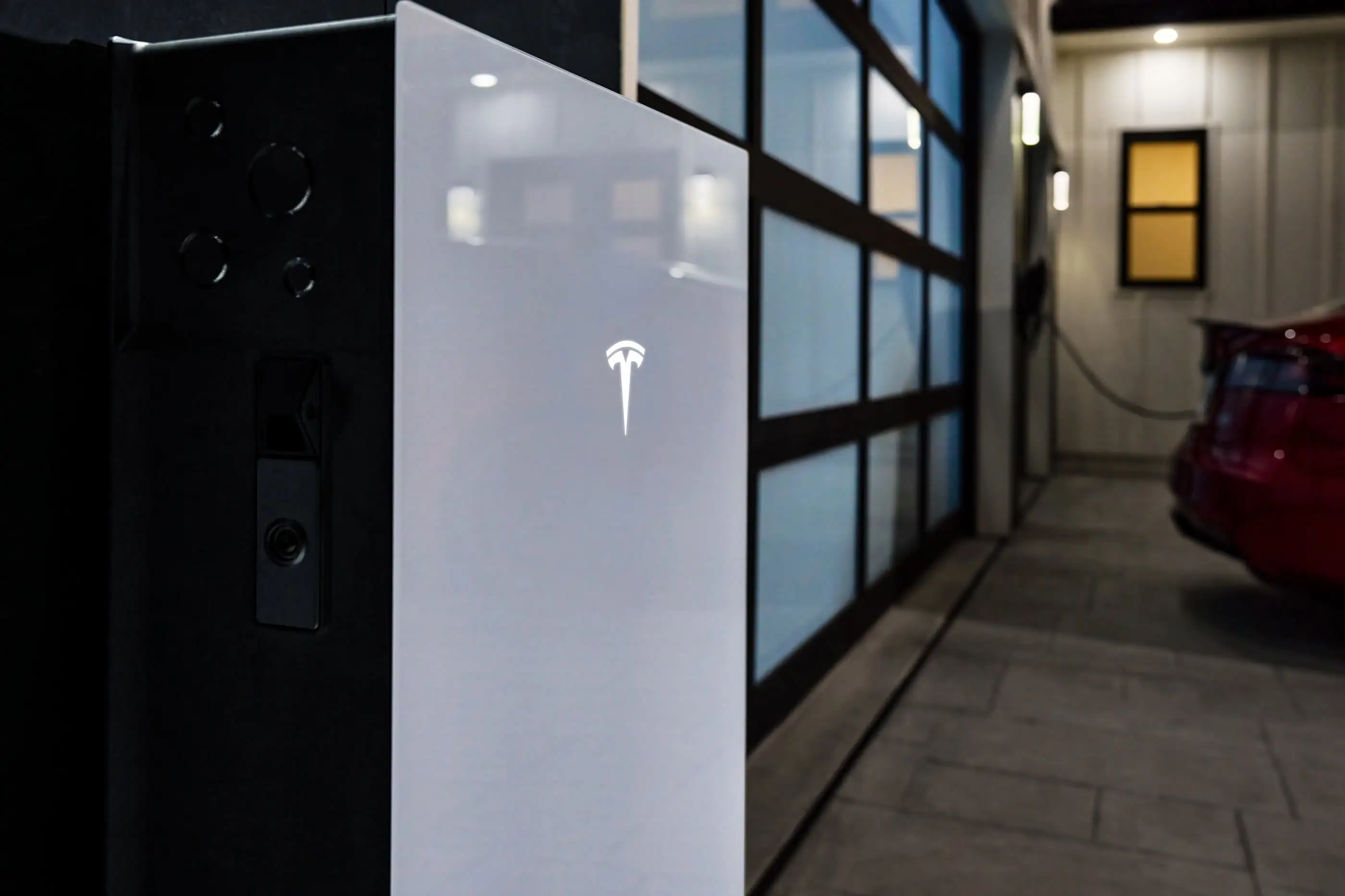
We fit the Tesla Powerwall 3 and the GoodWe ESA, and the discount comes off both.
Get a QuoteWhat it takes off, size by size
Four sizes, each one battery bigger than the last, in steps of 14 kWh. Your accredited installer takes the discount off your invoice on the day. The discount stops growing above 50 kWh of usable capacity, so the fourth battery adds almost nothing. That much storage can still suit your home, and it's worth knowing where the discount stops.
| Battery configuration | Usable storage capacity | Estimated federal discount | Extra discount for the next unit |
|---|---|---|---|
 | 14 kWh | $3,515 | |
| 28 kWh | $5,624 | +$2,109 |
| 42 kWh | $6,142 | +$518 |
| 56 kWh | $6,438 | +$296 |
Indicative discounts only. Eligibility, installation date and STC value affect the final amount. Your quote will confirm the discount that applies.
Rates as at 29 July 2026 · Clean Energy Regulator · installs to 31 December 2026
Why the second battery is worth less than the first
The rule is written in bands: the first 14 kWh of usable capacity counts in full, the next 14 kWh at 60%, anything above 28 kWh at 15%.
+9%
more counted capacity, for a third battery on the wall
The bands count usable capacity, which is the energy your home can actually use. Capacity above 50 kWh does not count, however many batteries are on the wall.
Rates as at 29 July 2026
The discount gets smaller the longer you wait
The rate behind the discount steps down on dates the regulator publishes in advance. Each window below shows what one 14 kWh battery is worth.
Installs up to 31 December 2026
$3,515
6.8 certificates per counted kWh
Installs up to 31 December 2027
$2,923
5.7 certificates per counted kWh
Installs from 1 January 2028
No rate has been published for installs that far out. Ask us and we'll show you the figure for your own install date.
Rates as at 29 July 2026 · Clean Energy Regulator
Where you live decides what comes next
The discount is the same figure in Canberra and in Wollongong. You can finance what is left on the invoice, and which loan you can use depends on your address.
Where your home is
The ACT loan, and what it is capped at
The Sustainable Household Scheme: its rate, its term, who lends it and who can apply. Canberra households only.
The NSW loan, on the rebates page
The Home Energy Saver, and the income test it carries. The loan is open anywhere in NSW, and we install in Wollongong, Queanbeyan and the coast.
Work out the number
Work out your own figure
The finder asks where you live, what is already on your roof and what you are putting in.
Worked out for each Powerwall configuration
The same arithmetic, on the battery we fit most often.
All rebates and loans
Every scheme that is open across the ACT and NSW, and the one that closed.
Price a battery with the discount
Speak with one of our Energy Geeks today.

- Solar Accreditation Australia approved
★★★★★
Having used two other installers previously, the Sunstak experience is head and shoulders superior…
Ask for a quote