Ducted air conditioning in Canberra
Fujitsu and Haier ducted systems, fitted across the ACT and into Queanbeyan. One system heats the whole house through a Canberra winter and cools it through summer, and ducted is all we fit.
Eligible for the ACT Sustainable Household Scheme
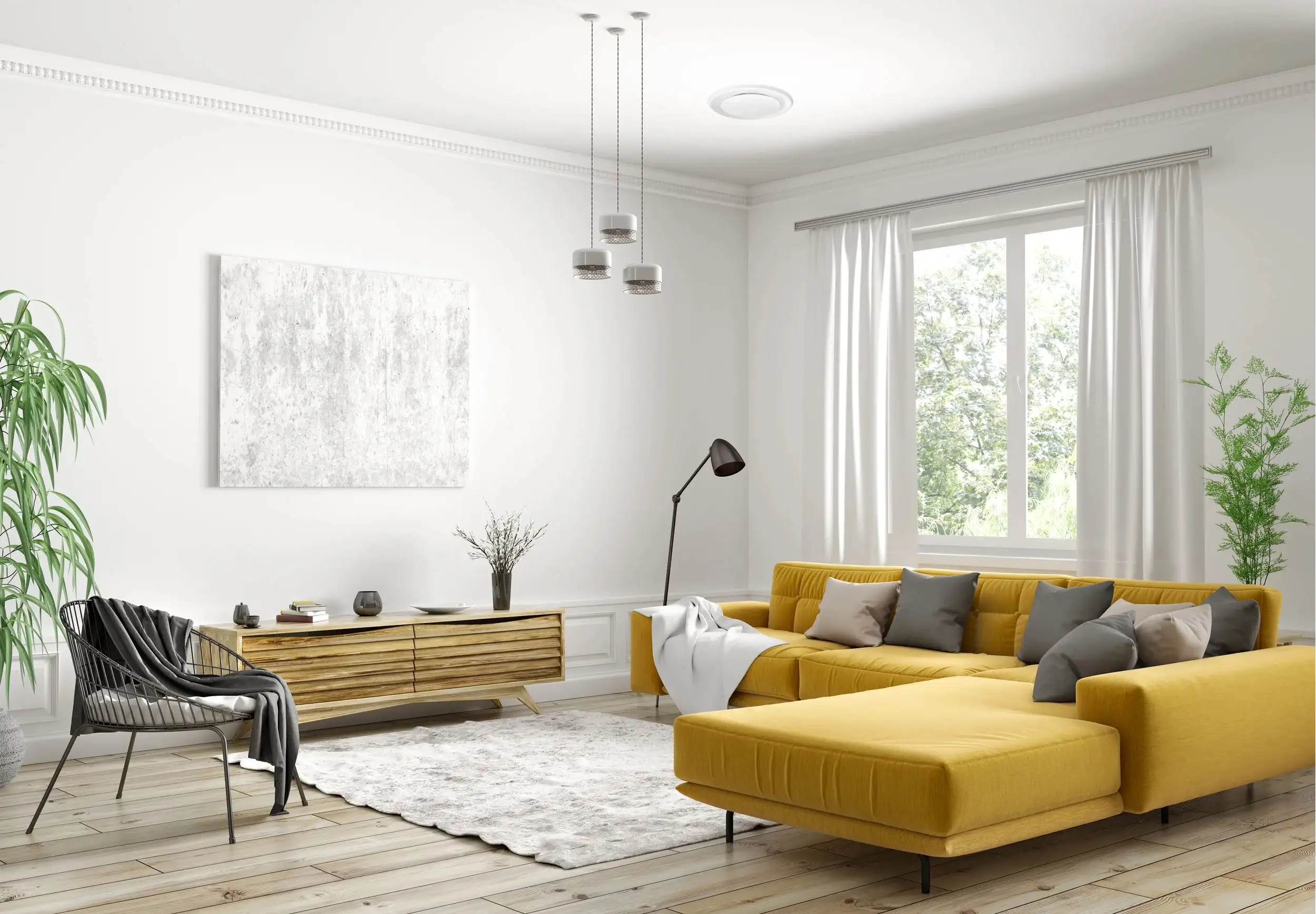
What ducted air conditioning is
One outdoor unit, one fan coil in the roof space, and insulated ducts running to a vent in each room. There is nothing on any wall and one system heats and cools the whole house. It suits Canberra because a ducted system is reverse cycle: the same machine that cools in January is the one that heats through a frosty July.
It heats as hard as it cools
Reverse cycle is a heater that also cools, and here you will run it as a heater. Canberra Airport averages about sixty days a year at or below zero, on the Bureau of Meteorology's own record, so one machine covers both seasons and the gas heater comes out.
You heat the rooms you are in
Zoning puts a damper on each duct run and a sensor in each zone. On a July morning that is the difference between heating four empty bedrooms and heating the room you are standing in.
One outdoor unit, nothing on a wall
The whole house runs off a single condenser outside and a vent in each ceiling. No head units in the bedrooms and no boxes on the front of the house.
What we install, and how
Sunstak fits ducted only. Which of the two jobs your house gets comes down to what is already in the ceiling, and we work that out on the visit before anyone quotes you.
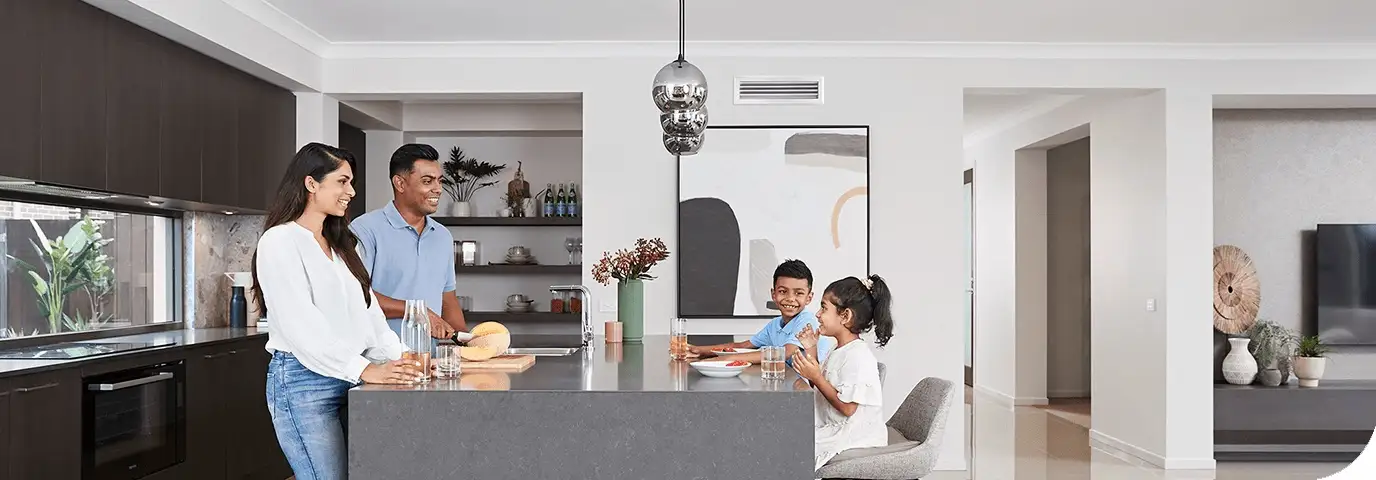
On ducted gas already? The ducts usually stay
A gas heater and a reverse-cycle system move air through the same kind of ductwork. On most Canberra houses the ceiling ducting stays, which keeps the job short and the mess down.
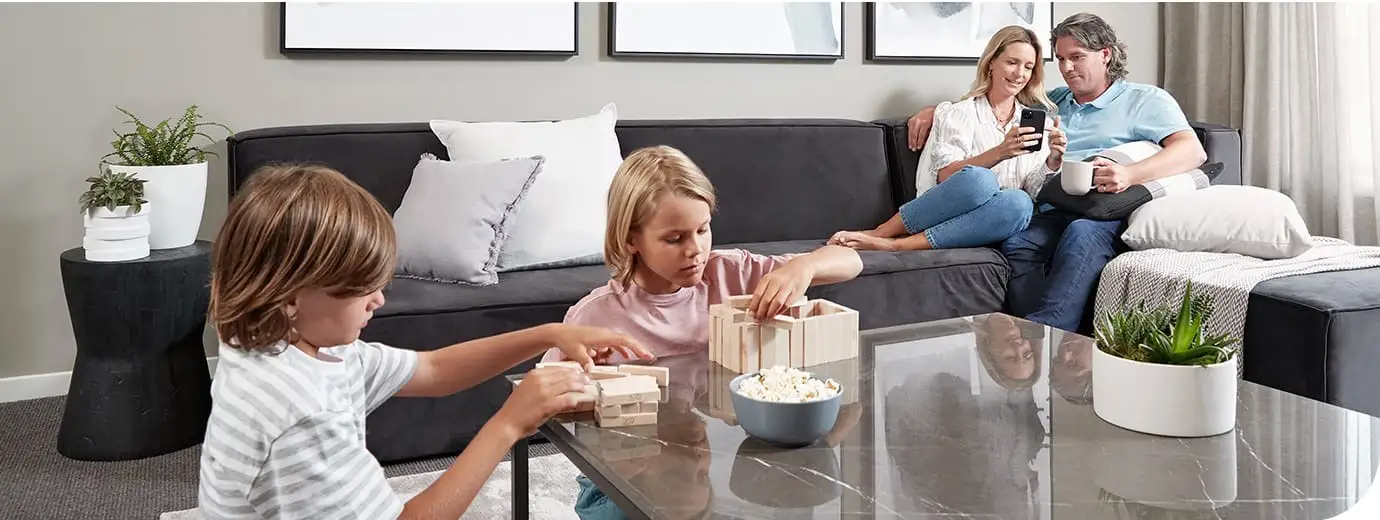
No ductwork yet? It goes in the ceiling cavity
Where there is nothing up there, the ducting is run through the roof space to a vent in each room. It is the bigger of the two jobs. What you end up with is a house with nothing on any wall.
What it looks like in a house
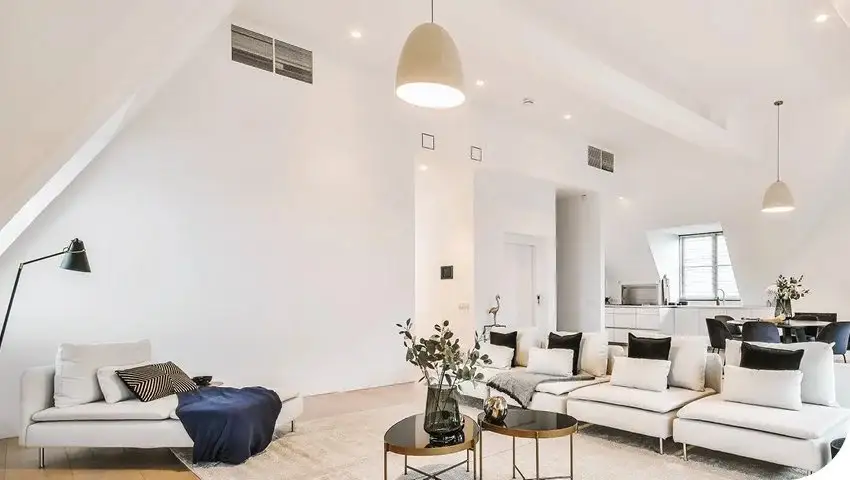
Vents in the ceiling
Every room gets an outlet in the ceiling.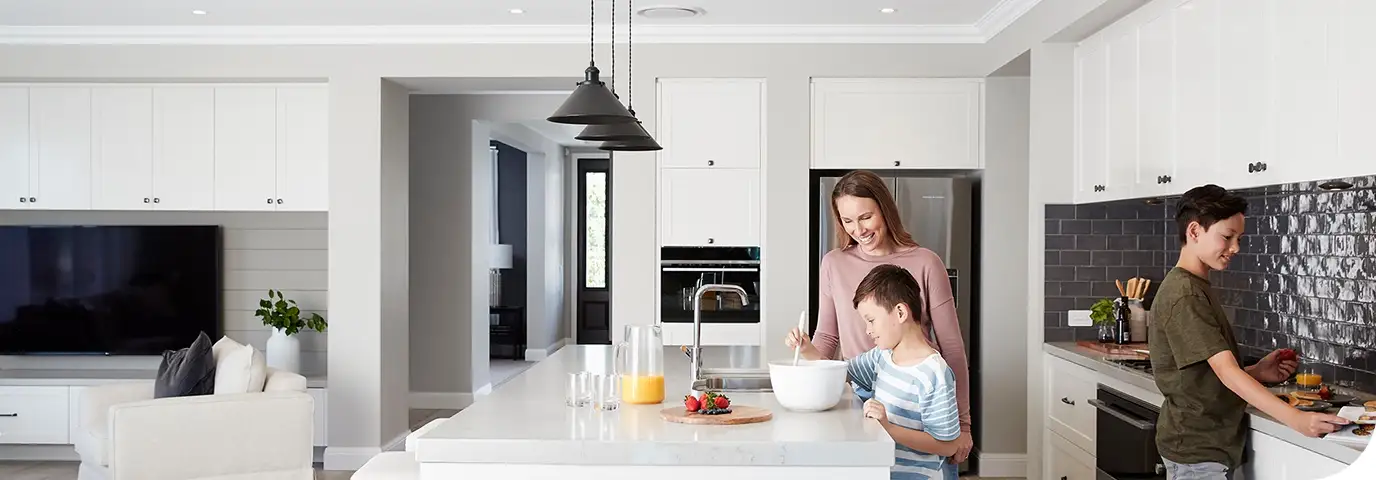
One temperature, whole house
The kitchen and the far bedroom, at the same time.Zoning, and what runs it
Zoning is what decides whether a ducted system costs you money to run. Sunstak fits AirTouch, which Polyaire makes in Adelaide and packages for both the Fujitsu and the Haier ducted ranges, so the control is the same whichever unit ends up in the ceiling.
A zone is a damper with a motor
Each zone is a group of ceiling outlets behind a motorised damper, and AirTouch 5 runs up to sixteen of them from the wall panel or the phone. Shut the bedrooms and the air goes to the rooms still open, so a four-bedroom house heats like a two-bedroom one on a weekday.
Each zone holds its own temperature
An AirTouch sensor in the zone gives it a set point of its own, so the system works to what the bedroom is doing instead of what a panel in the hallway is doing. That is the difference between zoning that saves you money and dampers on a timer.
It is its own line on the quote
Sunstak's quote prices zoning as an upgrade with its own number, and says so in writing. You decide on it with the figure in front of you instead of finding it inside a total.
We work with two great brands
Sunstak fits Fujitsu and Haier. Both are inverter reverse-cycle ducted systems, both take the same zone controller, and the sizing work is identical either way — so the choice is yours to make on the range, not on the install.
Fujitsu
The range Sunstak's aircon team has worked with longest.
- Four ducted bodies — bulkhead, mid static slimline, and high static in single and three phase.
- 2.5 kW up to 25 kW of cooling, so the range covers a flat and a six-bedroom house.
- Rated to keep heating with the outside air at −15°C.
- Five years parts and labour, across the whole range.
- Its technical support desk is in Australia, so a warranty question does not go offshore.
Haier
The Smart Power range, in two body styles, which is what opens up a tight ceiling.
- DC inverter ducted on R32, in high static and low profile bodies.
- 7.1 kW up to 25 kW of cooling.
- Indoor units are built to fit between 600 mm roof trusses, which is what decides a tight retrofit.
- Blue Fin coating on both coils, and Wi-Fi through the SmartHQ app.
- Five years on the equipment.
To learn more, just enquire with our team.
Get a QuoteThe reason to make it electric
A gas heater cannot touch what your panels make. Reverse cycle can, so your own roof ends up doing the heating. That is the whole argument for taking gas out of a Canberra house.
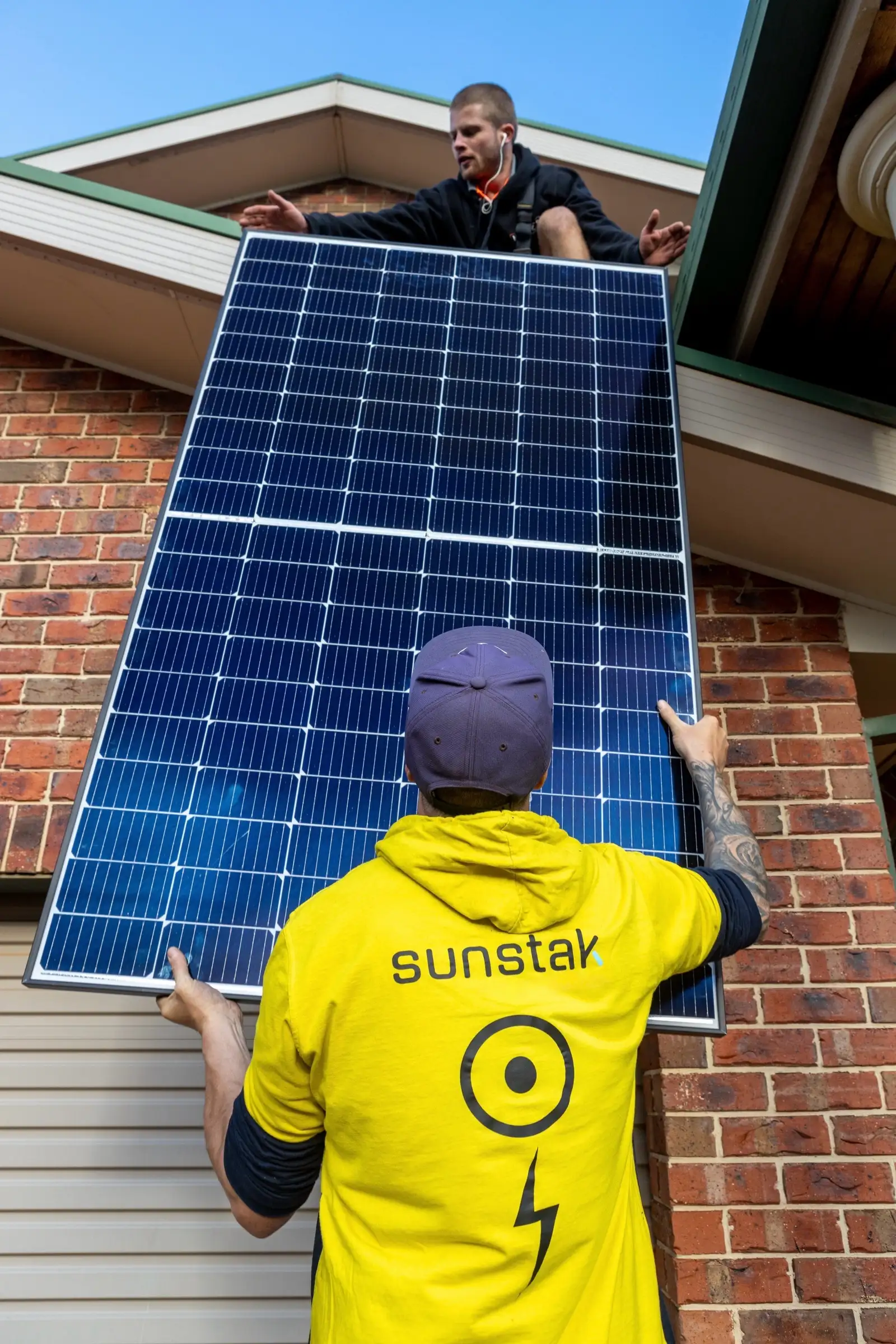
1 kW in, 3 to 6 kW out
Reverse-cycle air conditioning is 300–600% efficient, converting 1 kW of electrical energy into 3 to 6 kW of heating or cooling. Under mild conditions, some products can exceed 1000% efficiency. Source energy.gov.au
Your panels finally get a winter job
Solar makes most of its power in the middle of the day, when most houses are empty. Heating on a timer moves that load onto your own generation. We do the solar as well, so the person sizing your aircon is looking at the same roof.
What your quote is made of
Every ducted quote is priced off the same six things about your house. They are why two quotes on one house can sit a long way apart. If one is much cheaper, this list shows you where to look.
How many rooms you are actually heating
Capacity is sized against the rooms you use, not the floor area on the plan. A house with two living areas and four bedrooms that only ever heats three of them gets quoted for three, and the quote says so.
Whether the ductwork is already there
A house on ducted gas usually keeps most of its ceiling ductwork, and that is the single biggest difference between two ducted quotes on the same house. Where the ducting has to be run new, it is priced as its own line.
Zoning, and how many zones
Zoning lets you heat the rooms you are in instead of the whole house. It is an upgrade with its own price on the quote, so you can decide with the number in front of you.
Where the outdoor unit can legally sit
A condenser has clearance and noise rules, and on a narrow block that decides the run length between the two halves of the system. Longer runs cost more, and that is worked out on the visit.
What your switchboard can take
Older Canberra houses often need a circuit added, and some need the board upgraded before anything else happens. If yours does, it is a separate line with its own price, and you are told before the quote arrives.
Single phase or three phase
Most homes are single phase and most ducted systems are sized to suit. Large ducted jobs sometimes want three phase, which is a supply upgrade through Evoenergy, and if yours is one of them it is on the quote in writing, well before install day.
What the ACT puts in
A reverse-cycle system is an eligible technology under both ACT schemes, so the money here is a government loan or a government rebate. Which one you get depends on whether you hold a concession card.
- ACT Sustainable Household Scheme
$20,000 at 3%over 10 years
For new applicants from 1 July 2026. Electric heating and cooling is on the eligible list, so a reverse-cycle system qualifies. Households already in the scheme stay on the earlier $15,000 cap.
- ACT Home Energy Support Program
50% back, to $2,500concession card holders
Reverse-cycle heating and cooling is a Category B item, so half the cost comes back. The loan beside it is 0% up to $10,000, and it is the only zero-interest loan of the two schemes.
Both are ACT schemes and both are for ACT homes. If your house is in NSW, the loan is a different one with its own rules, and the rebates page will point you at it.
Rates as at 29 July 2026 · ACT Government
How we work
It runs from the bill you send us to the day your system is switched on.
Before the visit
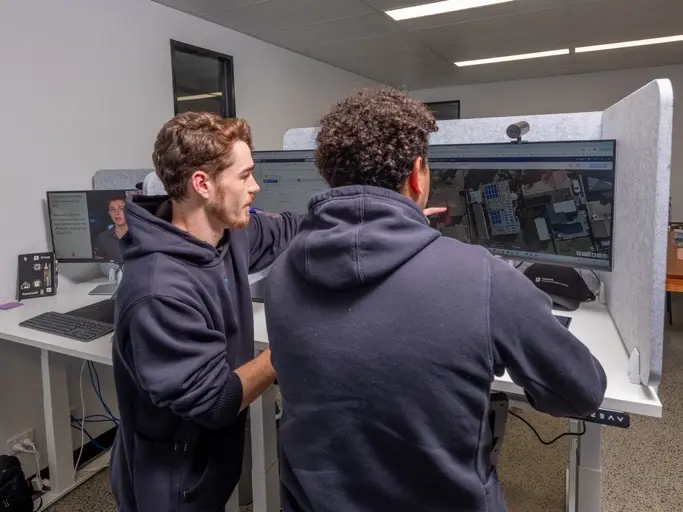
Send us two bills, one from summer and one from winter, and tell us roughly when your house is busy. Your own numbers are where the design starts.
Site visit or phone consultation
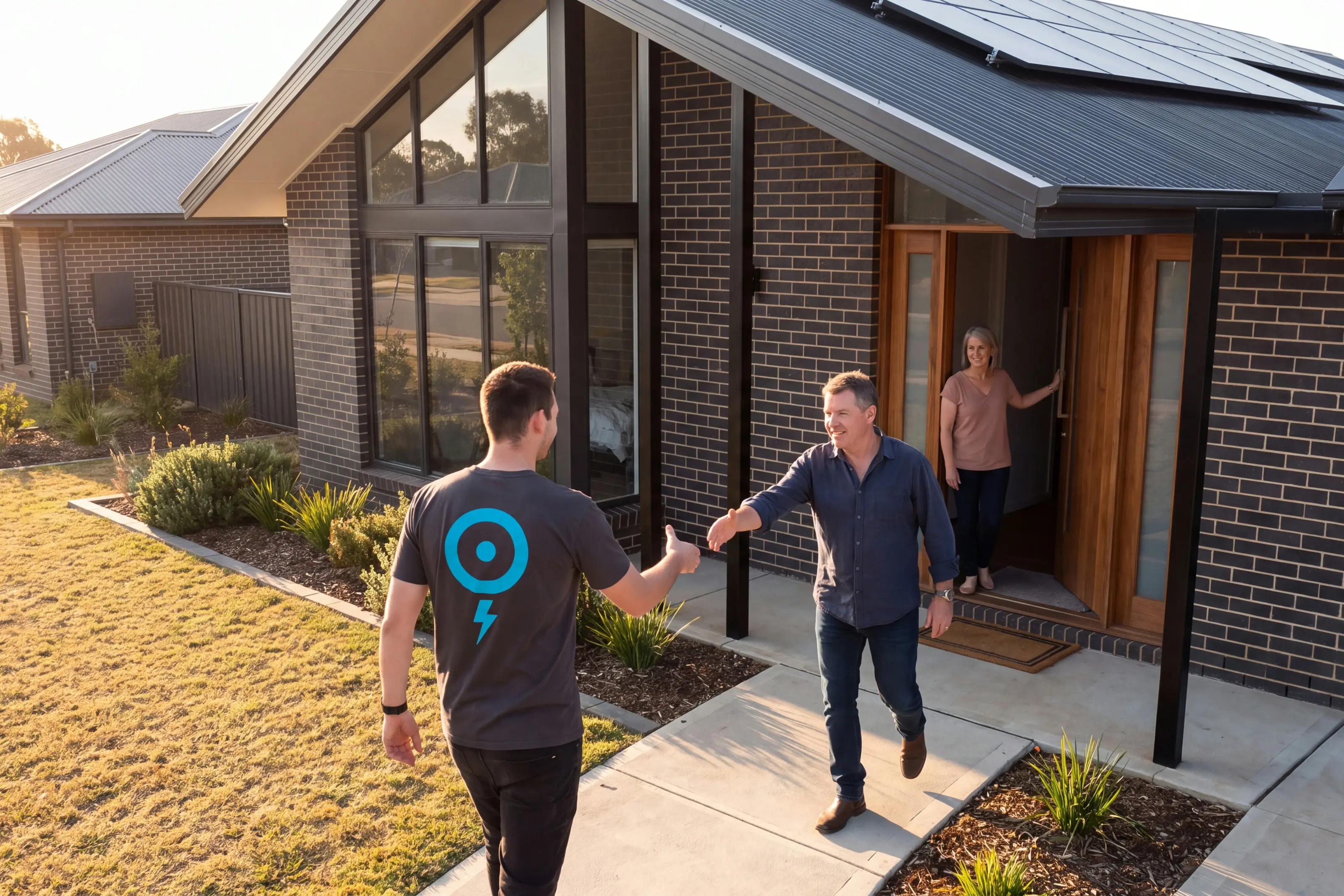
One of our energy geeks goes through the roof, the switchboard and the meter with you, at the house or over the phone. What goes where, what the roof can carry and whether the board has room all get settled here.
Customised design
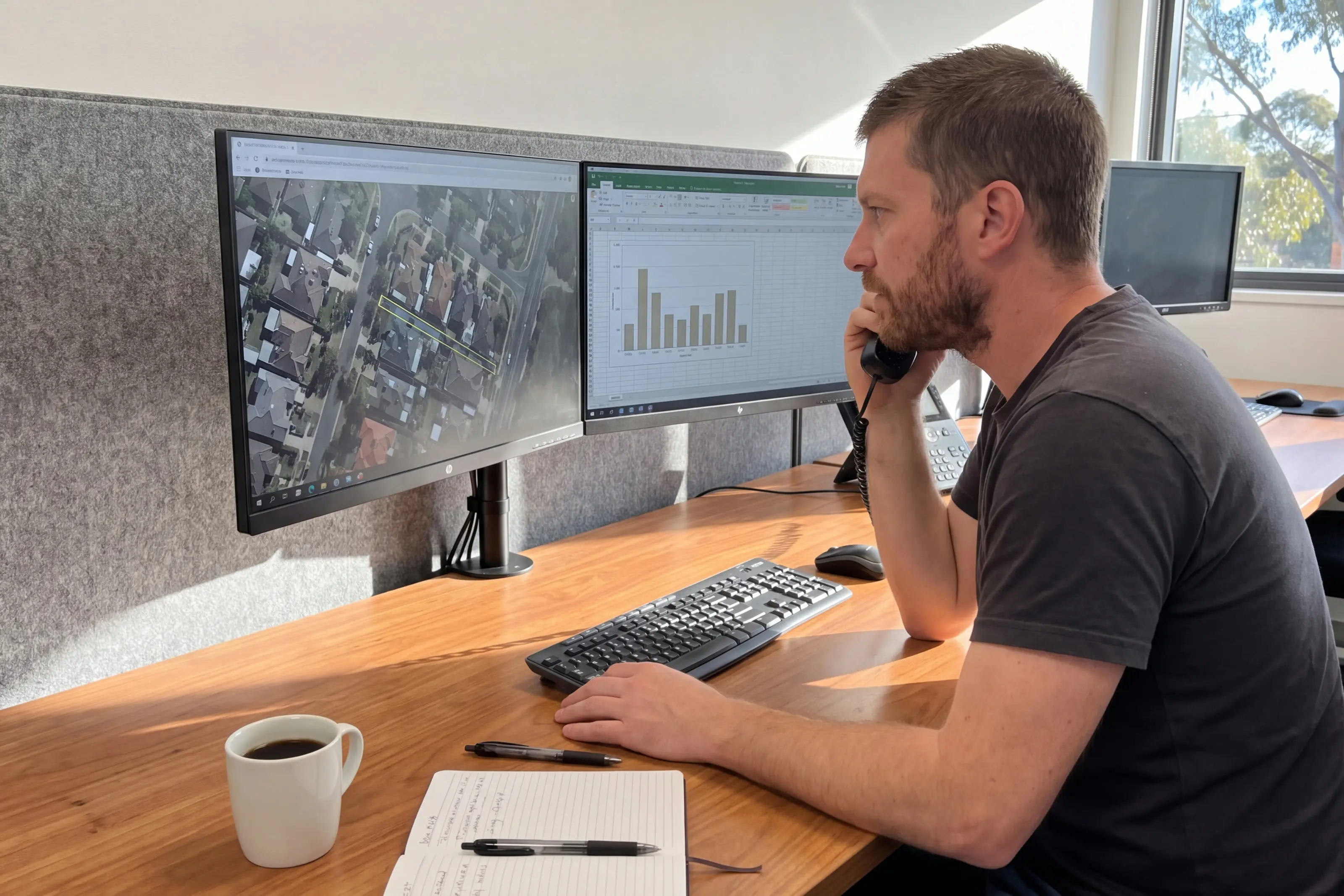
A Sunstak engineer designs the system in house. You get back a drawing of your own house with the equipment set out on it, and what decided where each piece went.
Quote approval
Your quote lists every item with its model number, and the exclusions as plainly as the inclusions. There is nothing to sign on the day, and nothing is ordered until you approve it.
Installation
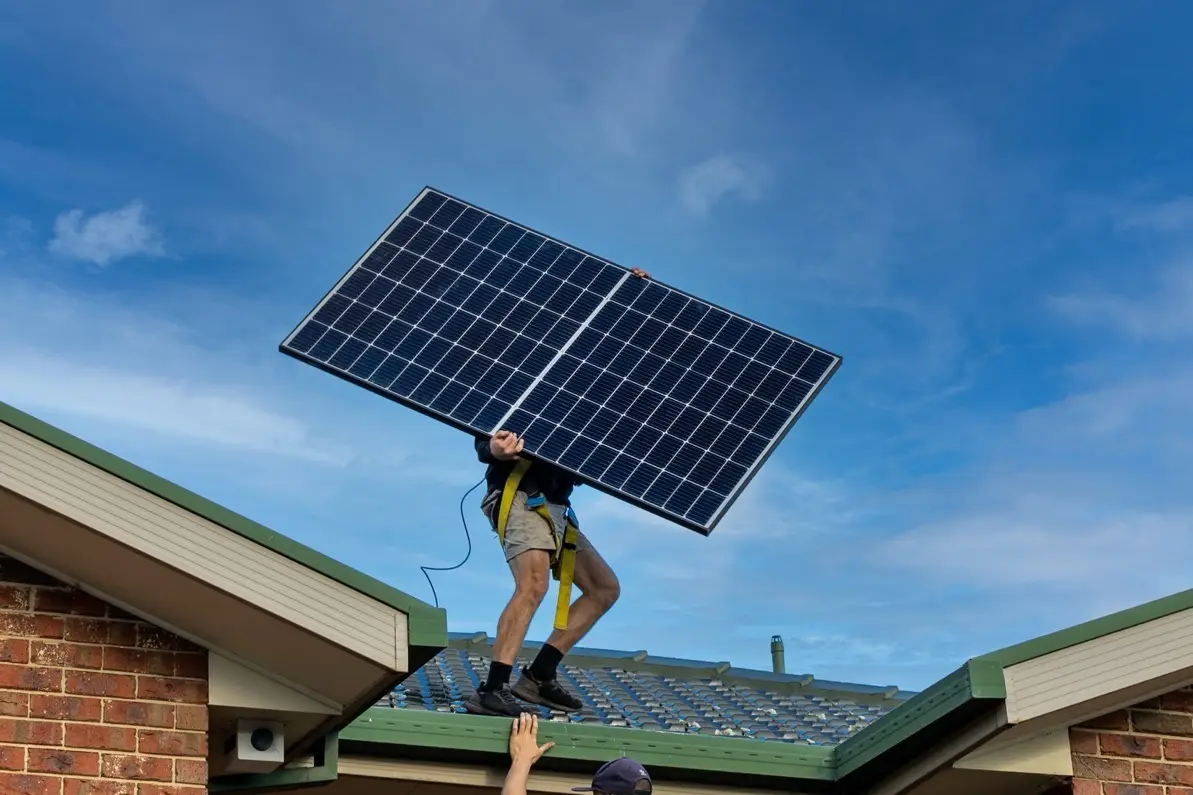
We tell you up front what gets switched off on the day, and for how long.
Post-installation support
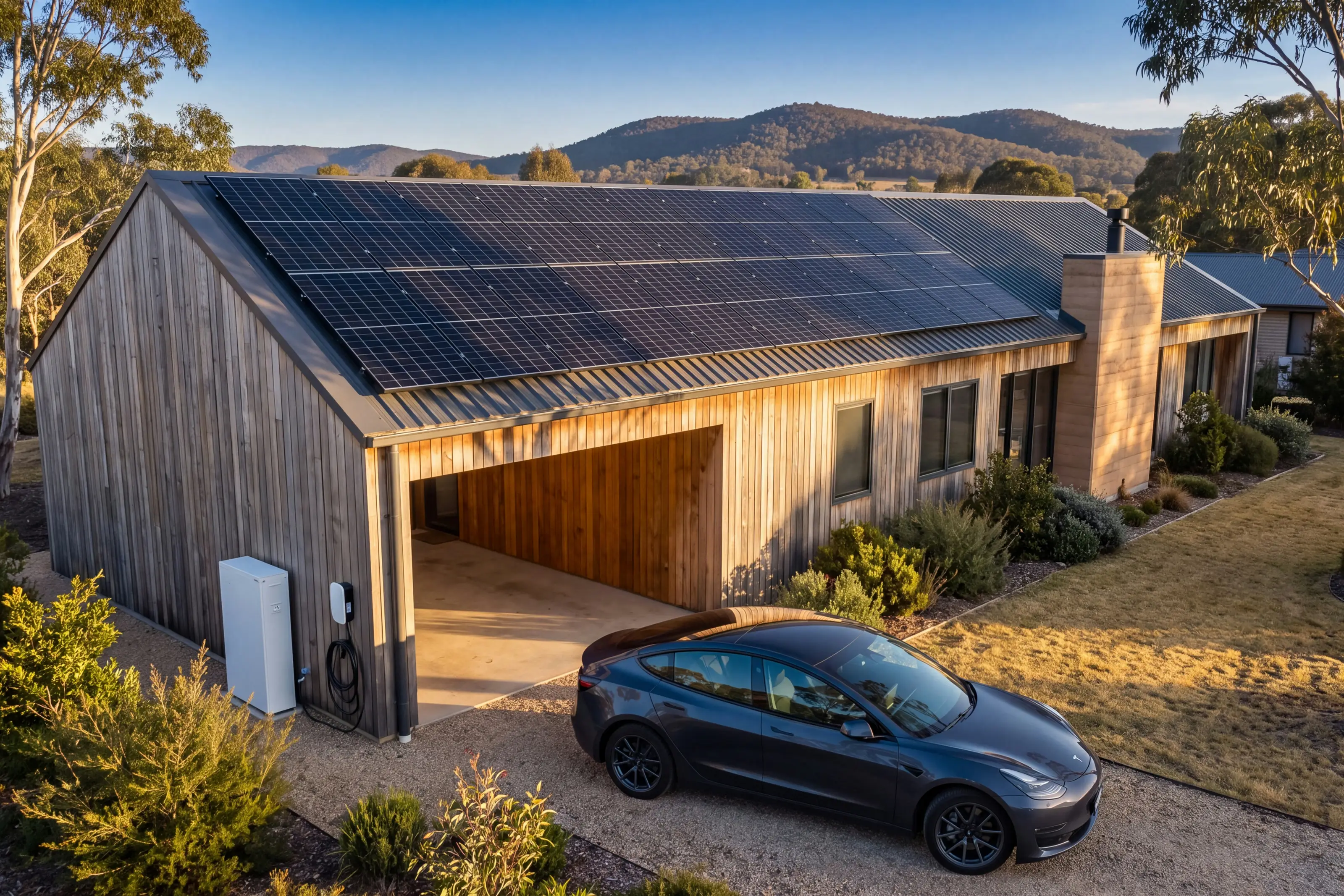
Nobody leaves until the system is commissioned and the monitoring is running on your phone. After that, service and warranty go through the same office that did the install.
Questions
Can you use the ducts I already have?
Often, yes. A ducted gas heater and a ducted reverse-cycle system move air through the same kind of ductwork, and reusing yours takes a day and a lot of mess out of the job.
What decides it is whether your ducts still seal and whether they carry the airflow the new system needs. We check that at the house. If the ductwork has to be replaced, it is a line on the quote with its own price before you agree to anything.
Will it still heat when it is below zero?
Yes. Heating capacity does fall as the outside air gets colder, which is why the unit is sized against a Canberra winter and the frosts that come with it.
A system sized for a mild coastal climate struggles here in July. Your rooms, your insulation and your glazing are what set the capacity, and all three get measured on the visit.
Do I need three-phase power?
Most houses do not. The smaller ducted systems run on a normal single-phase circuit.
A large ducted system can want a dedicated circuit, so we open your switchboard and check there is a spare way for one. It is settled before the quote goes out.
Does the ACT loan cover air conditioning?
Electric heating and cooling is on the Sustainable Household Scheme's eligible technology list, so a reverse-cycle system can be financed through it. You need to own the home, and there is a free one-hour Everyday Climate Choices workshop to sit through first.
If you hold a Pensioner Concession Card, a DVA Gold Card or a Health Care Card, the Home Energy Support Program is the better scheme, and it pays back half the cost. Both are ACT schemes and both are for ACT homes.
What is not included in the price?
The quote tells you. Zoning, extra outlets, switchboard work and making good after a pipe run are separate lines, and Sunstak writes the exclusions as prominently as the inclusions.
The point of doing it that way is that there is nothing to find out later. What you approve is what gets installed and what gets invoiced.
Can I do solar at the same time?
Yes, and it is the version worth asking about. One visit, one design and one crew, with the same person sizing the array and the heating.
It matters because reverse cycle is the only heating your panels can run. Someone who knows what your house will draw in July can size the roof for it instead of around it.
How much does ducted air conditioning cost in Canberra?
Nobody can answer that honestly over the phone, and a number quoted before someone has seen your ceiling is a number that changes later. What moves it is the rooms you actually heat, whether your ductwork can stay, how many zones you want, and what your switchboard can take.
So the quote comes after the visit, it lists every item with its model number, and the exclusions are set out as plainly as the inclusions. If the ACT schemes apply to you, that comes off the top.
Do you install split systems?
No. Sunstak fits ducted air conditioning only, so if you want a single head unit on a wall we are not the right call and it is better to know that now.
If what you are really after is heating one or two rooms without paying to heat the house, that is what zoning does on a ducted system, and it is quoted as its own line so you can see what it costs.
How long does the install take?
A ducted system on existing ductwork is typically one to two days. One that needs new ducting run through the roof space is longer again, and we tell you which yours is before the quote goes out.
Somebody has to be home and the ceiling access has to be clear. We tell you what we need well before the day.
Do you service and repair what you install?
Yes. The same team that fits the system maintains it, and both manufacturers run their own technical support in Australia behind it.
Filters and coils are the two things that quietly cost you money as they load up, and a system that is serviced holds the efficiency it was sized for.
The outdoor unit steams on a frosty morning. Is it broken?
No. On a cold start, frost forms on the outdoor coil and the system pauses heating to melt it off. That is a defrost cycle, every reverse-cycle unit does it, and the steam is the ice going.
It lasts a few minutes and then the heating comes back. Canberra sees more of them than most of the country, which is one of the things that gets factored in when the system is sized for your house.
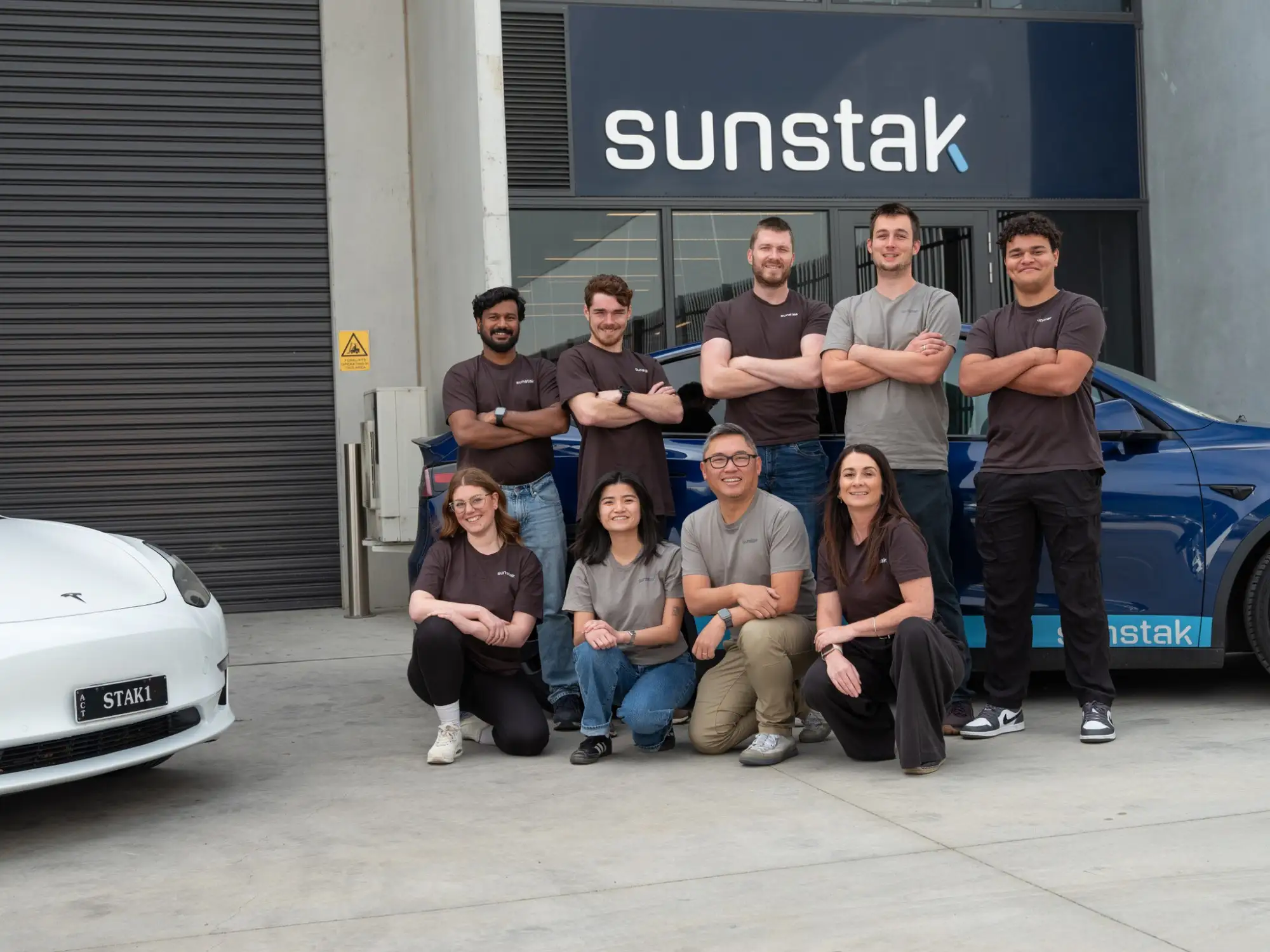
Every installation backed by the Sunstak guarantee
Sunstak master installers
Our master installers have completed at least 100 installations with 5/5 star reviews.
Installation with no surprises
We confirm the scope, price and installation plan. You'll know exactly what's included, what happens next and what to expect on the day, with no last-minute variations or surprises.
Roof leak guarantee
If your roof leaks after our installation, we pay you $500 cash and fix it immediately.
Stock guarantee
If the product on your design cannot be supplied, the replacement is an upgrade and the price does not move.
Start saving with Sunstak
Speak with one of our energy geeks today.
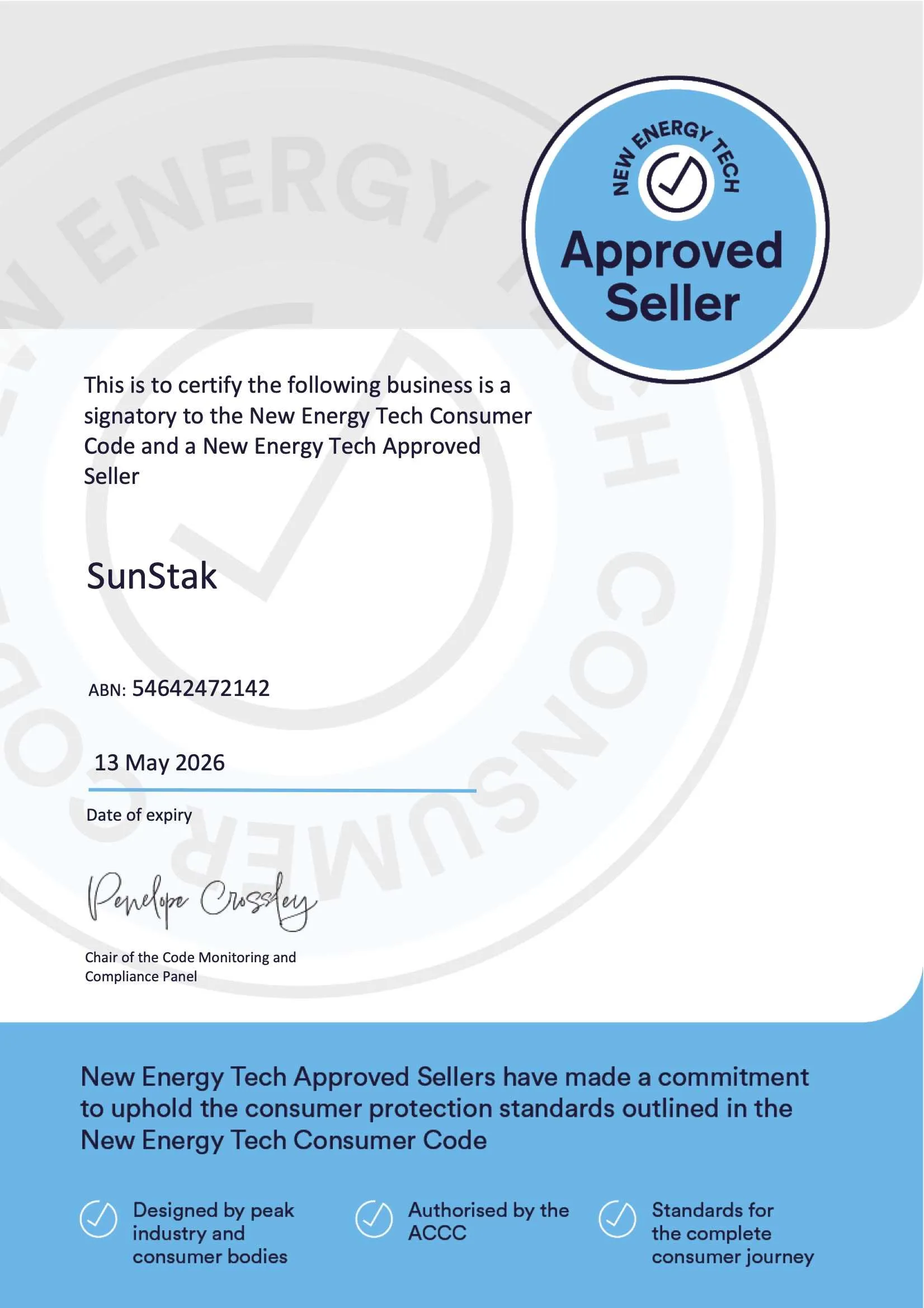
- Solar Accreditation Australia approved
★★★★★
Having used two other installers previously, the Sunstak experience is head and shoulders superior…
Ask for a quote